

Content note: disordered eating, suicidal ideation
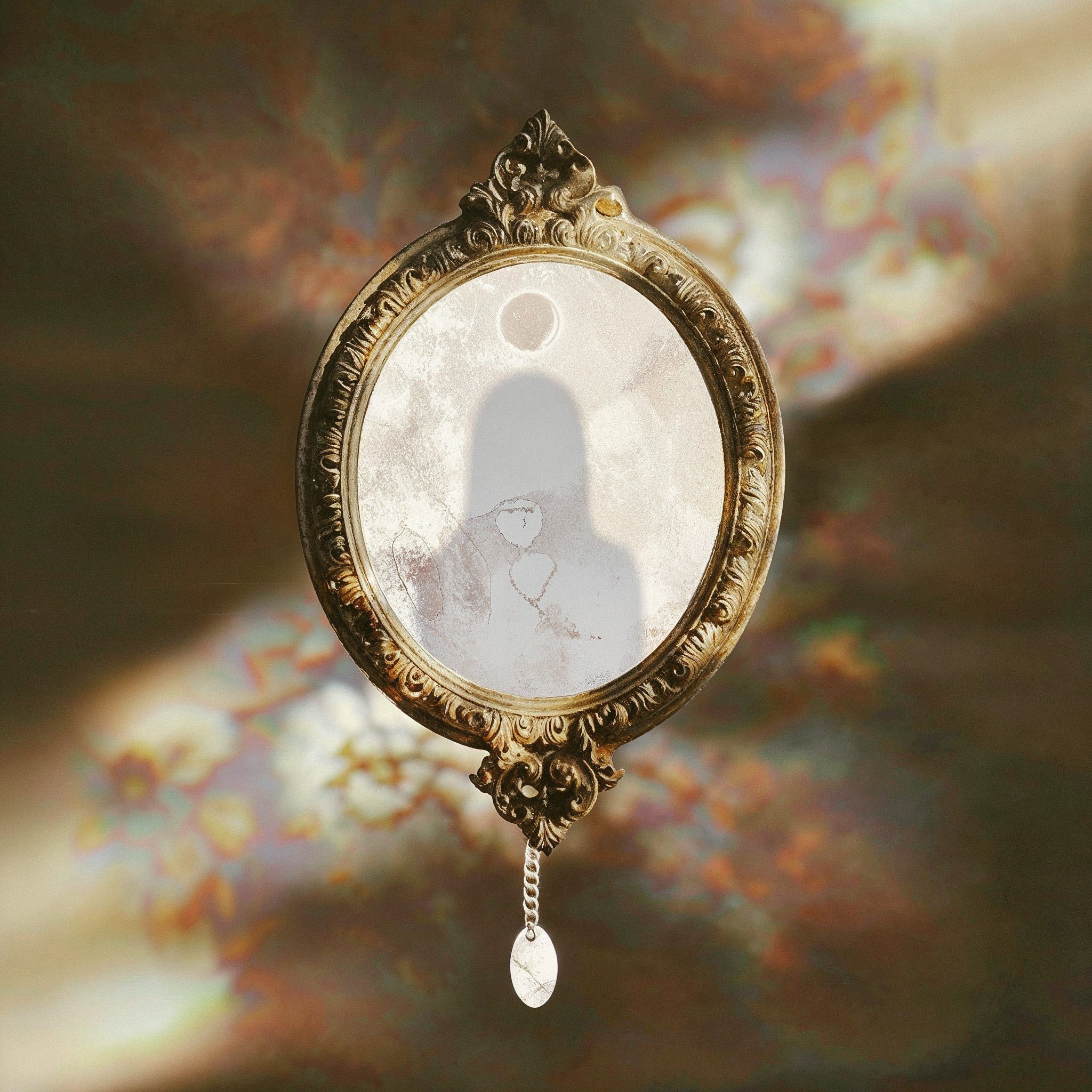
They say we cannot see ourselves as others see us. Most days, I believe that is true. Often, when I look in the mirror, I do not see how much fat I actually have. Ironically, when I lost 100 pounds, I saw myself as still super fat. Our minds are weird.
For years, I have tried to join the body-positive movement. I have tried to buy the more trendy plus-size clothing and say to hell with what people think, because I love myself. It’s a big fat lie. Pun intended. I did, however, choose to reclaim the term “fat,” year ago. It’s just a fact. I have fat. We all do. Some just more than others.
I have never desired to be skinny. I love a soft, curvy body. So, I’m fine being at a certain point of fatness. Yet, I passed that point about 60 pounds ago. If I am not in a shirt that reaches past the bottom of my belly, or an A-line dress to hide my entire trunk, I am not going to allow myself to be seen. Many days, I don’t even want to be seen by my own eyes.
I’m at my highest weight ever. I have to look at my stomach. I have to feel it sitting on my thighs when I sit because I was blessed with an apron belly, which, honestly, I didn’t know there was a word for until TikTok. When I brush my teeth, I have to stare at the neck that is diminishing because of how huge my face has become. Still, most of me thinks I don’t give a shit about what other people think about my body.
A couple of weeks ago, I met up with some friends I haven’t seen in months. The next day, I found myself wondering what they thought. People who see you regularly don’t often notice weight gain or loss. I wouldn’t expect any of them to pull me aside and comment on my weight, but I wondered if they texted each other after we left and asked, “Did you see how much weight Heather gained?”
My sisters have always told me they don’t see my weight. Part of me knows that is true. I know I don’t look at the people I love and think about how fat or skinny they are. But, of course, they see my weight. I allow myself to believe that people who love me see me as the momma bear that I am.
Sometimes, though, I wonder what people who don’t know me as well think. Or even people who don’t know me at all and just see me walking down the street. I imagine them thinking, how did she let herself get so fat? Doesn’t she care about her health? I think that when I’m eating with a group of people or in a public place, the people around me probably think I have no right to be making the food choices I make. I imagine they think I’m disgusting. That I just don’t care about myself. Or maybe they just think I have “such a pretty face.”
No one, well, maybe some people, but I’d say most people don’t set out to be fat. And yes, sometimes it is just laziness. Sometimes it is a lack of education or resources. No one can convince me it is not more expensive to eat healthy.
More often though, fatness goes so much deeper than the eye can see. Every person has a story or stories that few people know and even fewer can understand. Not just when it comes to being fat, but that’s what this story is about. So here is mine.
I started hiding cookies and snack cakes under my pillow when I was five because they felt like love, comfort, and safety to me. Maybe also because I thought they could protect me from what was happening to me. That is where the Binge Eating Disorder began. When I was five. I often thought it would be better if I was bulimic, at least then I wouldn’t be as fat. But I never have been able to make myself vomit.
My mother battled with weight and body shame; like many women, she passed that down to me. I joined Weight Watchers for the first time when I was eight. The funny thing about that, as I look at photos of myself from that age, is I was a little chubby, sure. But I was nowhere near fat. I thought I had been fat my whole life, but the photos tell a different story. Still, everything revolved around my weight.
I really began gaining weight when I was sixteen. The same time I was diagnosed with PCOS. The doctors had no clue what it was or how to help me. They just said not to worry about it until I wanted to get pregnant. No one told me about insulin resistance, or that I would have to work out three times harder than another person just to maintain my weight. I got that news twenty years later.
I started taking Fen Phen at 18, the same drug that caused my Uncle’s heart to explode while walking around the mall. And I still would have continued to take it if they had let me. Desperate times call for desperate measures. That’s what they say right?
There has never been a time that I have not actively thought about taking a knife to my belly. If I could just remove that floppy thing that touches my thighs when I sit, my world would be okay.
While I was eating a meal, I was planning all the things I was going to shove in my mouth alone in the darkness. I was constantly planning my next fix of pure goodness. I imagine I felt like any other addict, jonesing for their next fix. Except I could never quit food cold turkey, or go in for some detox because, apparently, food is necessary to survive. I say that in the past tense, but if I’m going to bare my fat soul, I may as well be honest and say I still do that.
When I could get my head straight to get my binging under control, I would do everything right and still gain weight. Just exercise more. Cut out carbs. 1200 calories a day. Calories in vs calories out, it’s science. So many people want to hear that insulin resistance is an excuse, and actually, we just aren’t working hard enough. I sometimes wish that were true, it would be so much easier.
When perimenopause graced me with its presence, I became suicidal and was way more focused on keeping myself alive than noticing I was gaining even more weight. Or that when I finally got my hormones in check and noticed I was at my (then) highest weight, I tried the “miracle” GLP1s; I tried the metformin, only to find out that all of those drugs not only did not work but had the reverse effect.
When I last visited my medical practitioner, she told me that I am an anomaly. My bloodwork is perfect. And also because the metformin gifted me with an additional 20 pounds, she wanted me to see a bariatric surgeon. Bariatric surgery is not the answer for me. It will not solve my eating disorder, and it will not solve my PCOS, so odds are pretty high I put myself through a risky surgery, lose a bunch of weight, and then get fat again. Obviously, I don’t stop eating when I’m full, or I wouldn’t be here in the first place. Who thinks I would have a problem stretching that nice new stomach right back out?
I told her as much. She said she was worried about my health, then she tried to get me to try another miracle drug. I told her no. We already know drugs work backward on me, and I’m done trying things that affect my mental health. And also, didn’t she just finish telling me how healthy I was?
I left that appointment feeling ashamed, like it was my fault the miracle drugs weren’t working. I felt hopeless, hungry, and utterly pissed off.
More than anything, I felt and still feel frustrated. I studied nutrition; I know what to eat. I am lucky enough to have the resources to eat healthy, nutritious food. I have a body that can move. I also have a brain that doesn’t like to cooperate and a body that doesn’t function properly. Part of me thinks if I work so freakin hard for no results, why bother?
Maybe you didn’t need to know all of this. Maybe I shared way too much. But I don’t think people understand the harm fat bias and stigma around weight cause. We can see we’re fat. We don’t need anyone to tell us. Especially if you have never been more than 30 pounds overweight.
Only a fat person knows what it feels like when their skinny friend says, with disgust, how fat their jeans make them feel.
Only a fat person understands the meaninglessness of “calories in vs calories out”.
Only a fat person knows the frustration of going to the doctor for any ailment and being told to “just lose some weight.”
Only a fat person might know that maybe they are fat because subconsciously they felt it was the only way for them to feel safe. Physically or emotionally.
They say we cannot see ourselves as others see us. Maybe they can’t see us at all. Maybe they don’t want to.
I saw myself in your honest words. The being ashamed when with the doctor. Metforman gave me incredible insomnia, like that's my fault. I look at every morsel of food---calories, low carb, all of it. I haven't spent one day just eating without analyzing every bite. And I have the long t-shirts too, especially the black ones. Thanks for speaking up.
Oh, Heath. I see you for you and the mama bear that you are. You are so much more than you give yourself credit for. You’re a kind, caring, empathetic soul. Everyone who knows you - really knows you - loves you for who you are. I understand what you’re saying and I’m so sorry you are beating yourself up so much for something that is out of your control. I’ve seen you work hard to lose weight. I know it’s frustrating when you put in the work and don’t get the results you hope for. Please know this, the people who love you, love you for you. The kind, caring, determined, ambitious, forever learning, empathetic soul that you are. I know that the people you saw last week didn’t text one another and ask if they noticed your weight. Those people are your family and they love you. I love you so much and I’m always here if you decide you want to talk about it. ♥️